

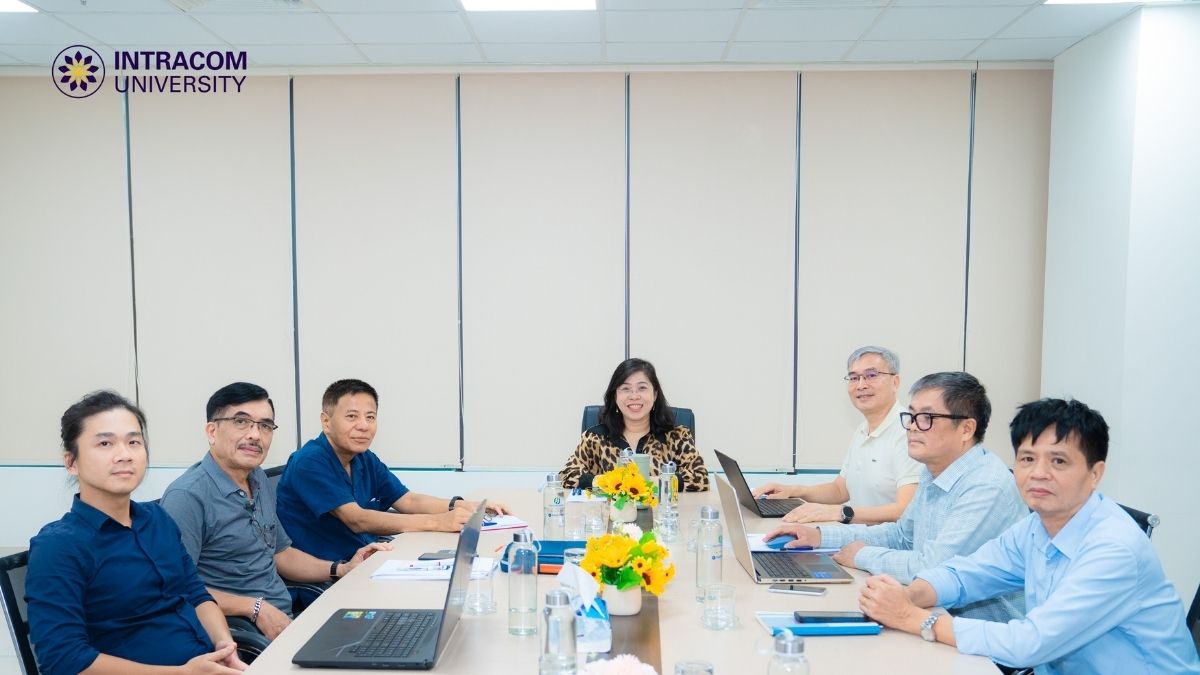
On August 4, 2026, Intracom University held a review, update and innovate the training program of the Faculty of Architecture and Construction. The activity is carried out in the context of requirements for university training programs increasingly focusing on output standards, practical capacity, technology application and the ability to meet professional realities.
As one of the faculties with a long history of training activities at Intracom University, the Faculty of Architecture and Construction continues to receive attention from the University in the process of completing and developing the program. This review not only aims to update new regulations of the Ministry of Education and Training but also aims to build training programs that are more modern, practical and more suitable to the movements of the field of Architecture – Construction.
Activities are implemented on the basis of new regulations on university and university level training programs. Decision No. 1169/QD-BGDDT dated May 15, 2026 on Training Program Standards for the Architecture – Construction Sector at university level. The new standards set specific requirements on goals, output standards, program structure, teaching methods, student assessment, teaching staff and quality assurance conditions.
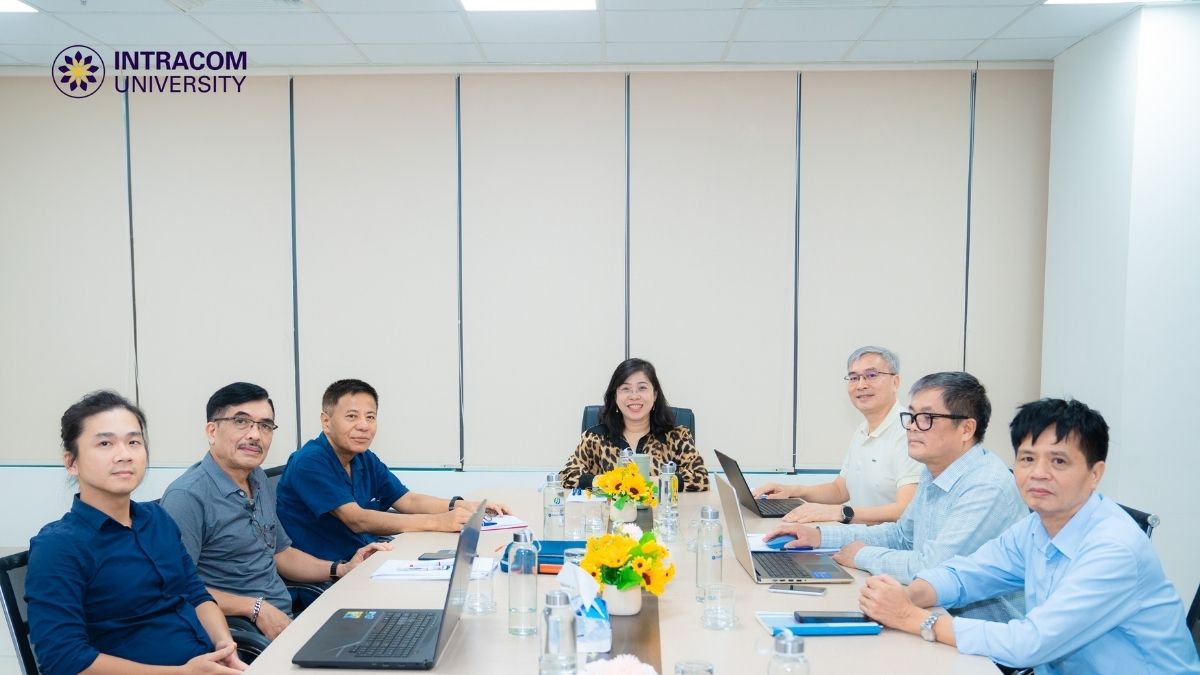
A notable point of the review process is that the program is considered as a whole instead of just adding or adjusting some individual modules. The contents are placed in relationship from training objectives, output standards, knowledge structure to teaching methods, testing and assessment and training organization conditions. Thereby, each module needs to clearly demonstrate its role in the process of forming knowledge, skills and professional capacity for students.
This is also the spirit emphasized in the new regulations on university training programs: the program must be systematic, ensure the connection between components and be regularly reviewed, evaluated and updated.
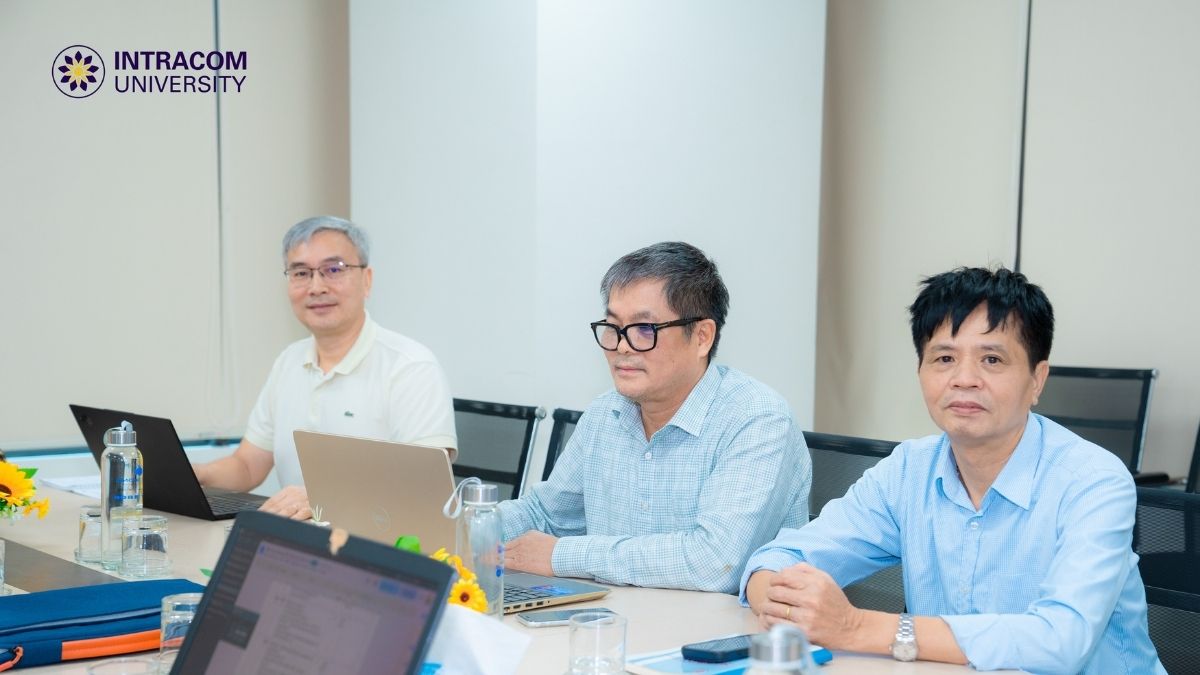
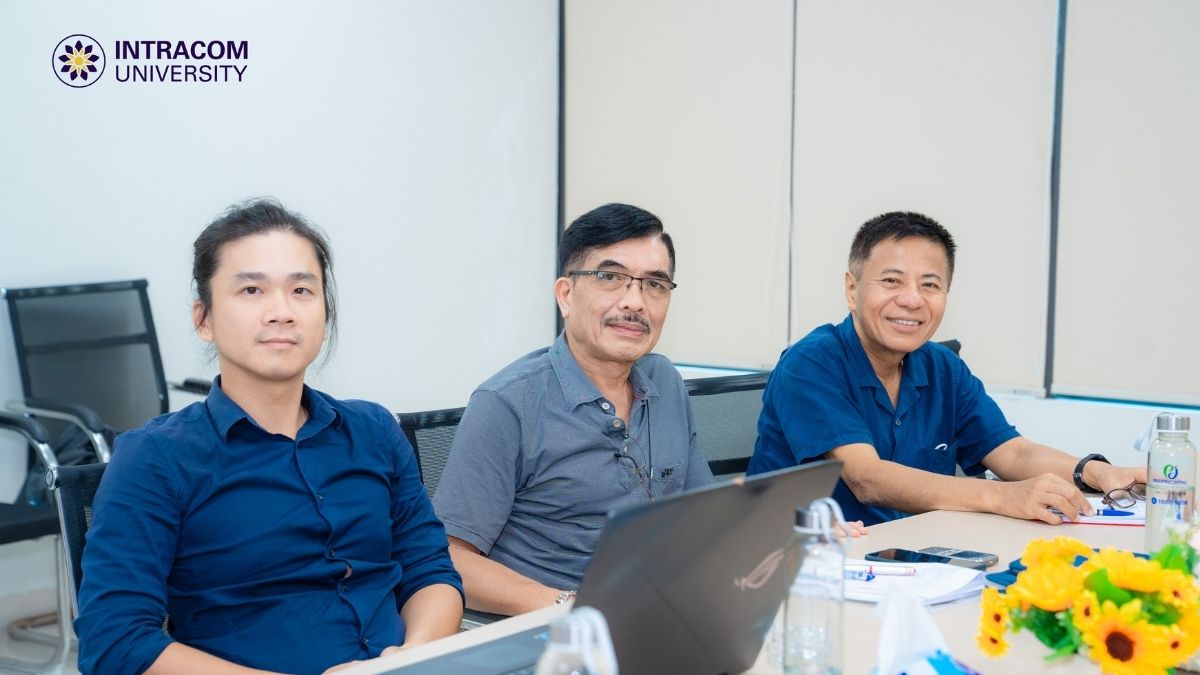
Faculty of Architecture and Construction exchange and discuss the content of reviewing and updating the training program
One of the key contents of the review process is to compare the current program with the new output standards of the Architecture – Construction Sector.
Accordingly, students not only need to master professional knowledge but also have to develop the ability to apply knowledge into practice, use specialized technology and software, collect and analyze technical data, solve problems, communicate professionally and work in a multidisciplinary environment.
Reviewing output standards helps each module be positioned more clearly in the entire training path, from basic knowledge to professional competencies that students need to achieve after graduation.
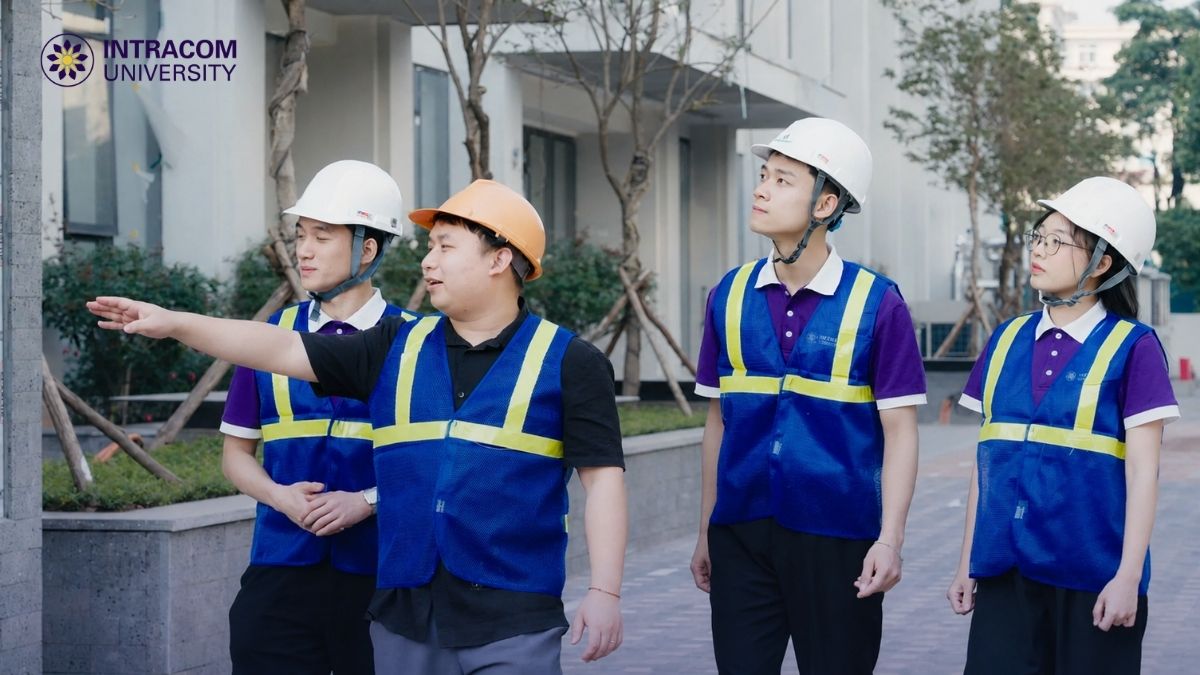
Architecture – Construction training has specific characteristics closely linked to design, survey, simulation, practice and implementation of actual work. Therefore, one of the points of focus when reviewing the program is to increase practice and experience for learners.
According to the training program standards of the Architecture – Construction sector, for university level programs, components practice, experience and graduation must have a minimum load of 20 credits. With a specific intensive program, project, practice, experience and graduation requirements continue to be enhanced. This creates the basis for the training program to be organized in a way that helps students gradually take knowledge out of the classroom, get acquainted with projects, professional problems and real professional environments.
Digital technology is drastically changing the way architects and construction engineers design, calculate, simulate, organize construction and manage projects. For the Architecture – Planning industry group, the new standard refers to the ability to use specialized tools and software such as SketchUp, AutoCAD, Revit, numerical modeling and idea presentation tools. For intensive programs, capacity to use BIM – building information modeling also emphasized.
In the Construction industry group, the program aims to increase the application of specialized technical software, BIM, simulation, automation, artificial intelligence and sensors in design, construction and project management activities. Updating technological elements during the review process helps the training program approach closer to the working environment of the modern Architecture – Construction industry.
In addition to professional and technological capacity, the program is also considered to enhance content related to sustainable development.
For the Architecture – Planning group, training standards emphasize the application of elements of architectural physics, environment, climate, energy and materials in the design process. Learners need to know how to consider cultural, social and environmental contexts to create solutions that are appropriate to reality.
In the Construction industry, contents such as sustainable construction, environmental standards, safety, cost optimization and application of new technology have also become important components of professional competencies. This is an updated direction in line with the current development trend of the construction sector, when the efficiency of resource and energy use and sustainable operation are increasingly concerned.
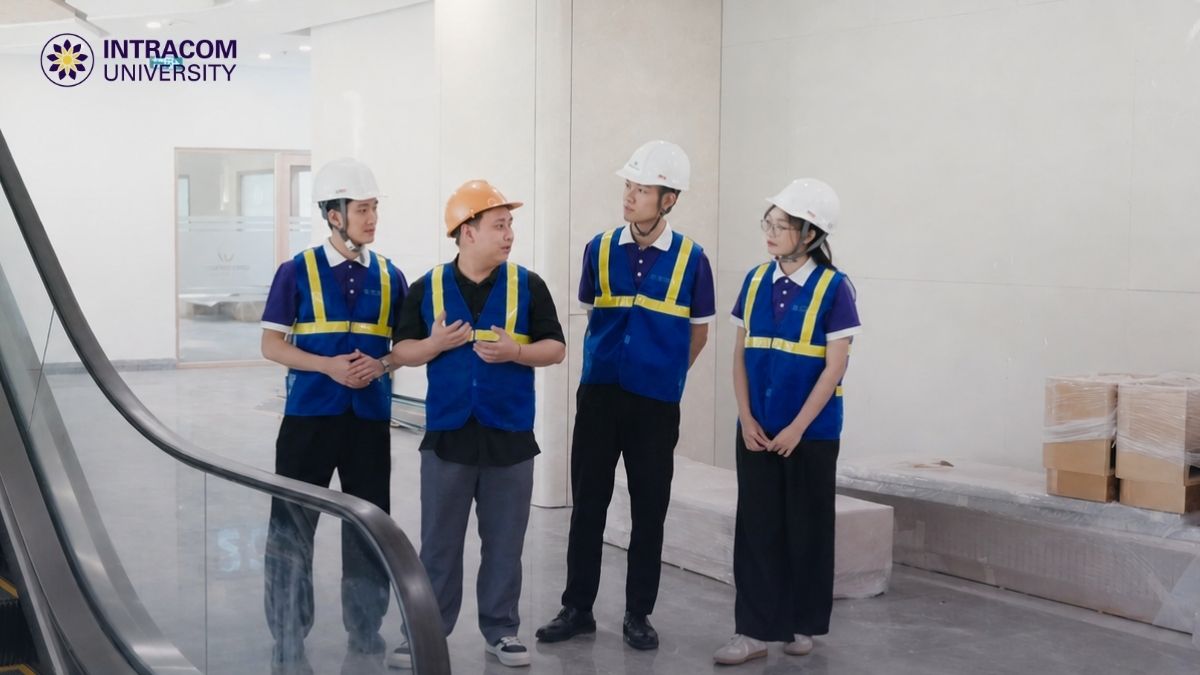
The program innovation process not only focuses on adding knowledge but also aims to change the way students learn and apply knowledge.
The new standard encourages forms such as case-based learning, projects, problems, challenges, experiences and design studio learning. Project and practice modules need to be more practical, connected to real problems, projects and career requirements. This organization helps students not only answer the question “what do they know” but also gradually demonstrate “what can they do” with the knowledge they have learned.
Along with innovating content and teaching methods, assessment activities are also an important part of the review process.
According to new program standards, assessment of learning outcomes needs to closely follow output standards and not only focus on theoretical knowledge. The learner’s practical abilities, problem solving, technical skills and attitudes all need to be considered in the assessment process.
In particular, for courses with a lot of practical content, assessment by practice must account for at least 50%. The graduation project also needs to be presented and defended before the professional council.
A training program can only operate effectively when accompanied by a team of lecturers, facilities, technology and learning materials that meet the requirements.
Program standards for the Architecture – Construction sector set specific requirements for the professional qualifications, teaching experience, research and practical activities of the teaching staff. At the same time, programs need to have the participation of personnel with practical professional experience in the relevant field.
For the Architecture – Planning group, training conditions require a design workshop, studio, model workshop, computer room and specialized software. For the Construction group, requirements also include practice conditions and experiments on materials, mechanics, structures, geotechnics, surveying and related technical fields.
Simultaneously reviewing the program and implementation conditions helps ensure that training content is not only suitable in theory but also has the ability to be organized effectively in practice.
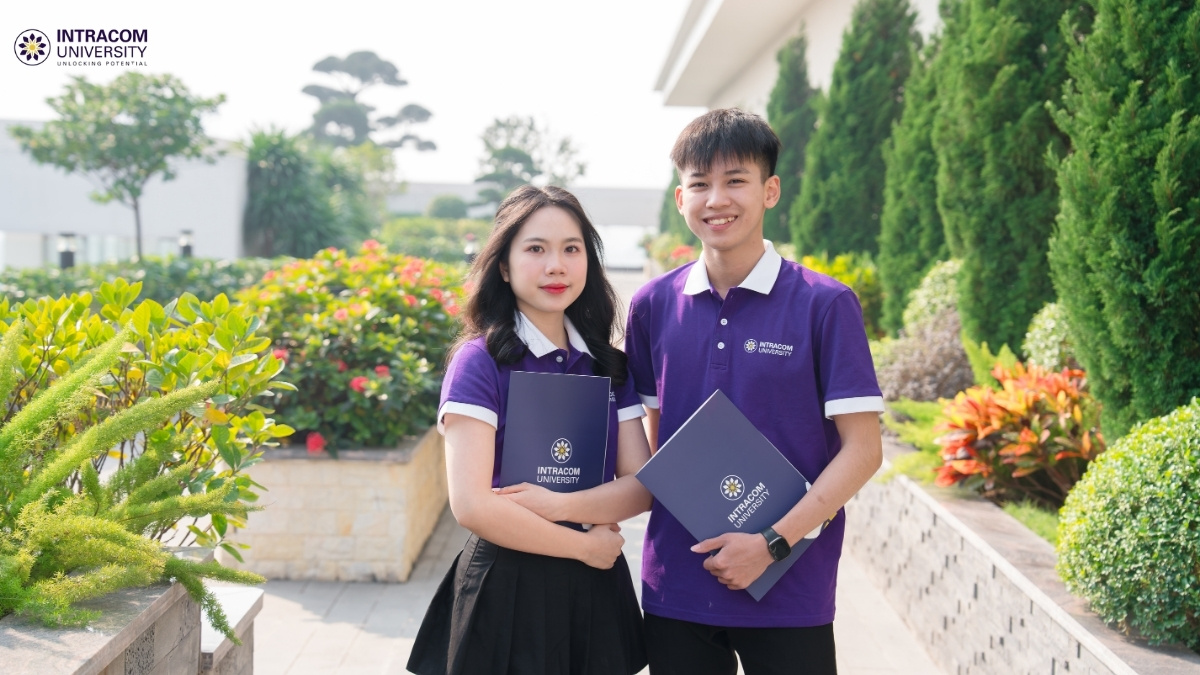
Throughout the review process, the orientation is to put the learner’s capacity at the center. For the Architecture – Planning major, students are oriented to develop the ability to design, analyze space, use software, present ideas and apply cultural, social and environmental factors into design.
For the Construction industry, learners need to develop the ability to read and deploy drawings, survey, analyze structures, use technical software, organize construction, estimate, ensure safety and access modern construction technology. Thus, the program does not just answer questions “What do students learn?” but more importantly, towards “What can students do after completing the program?”
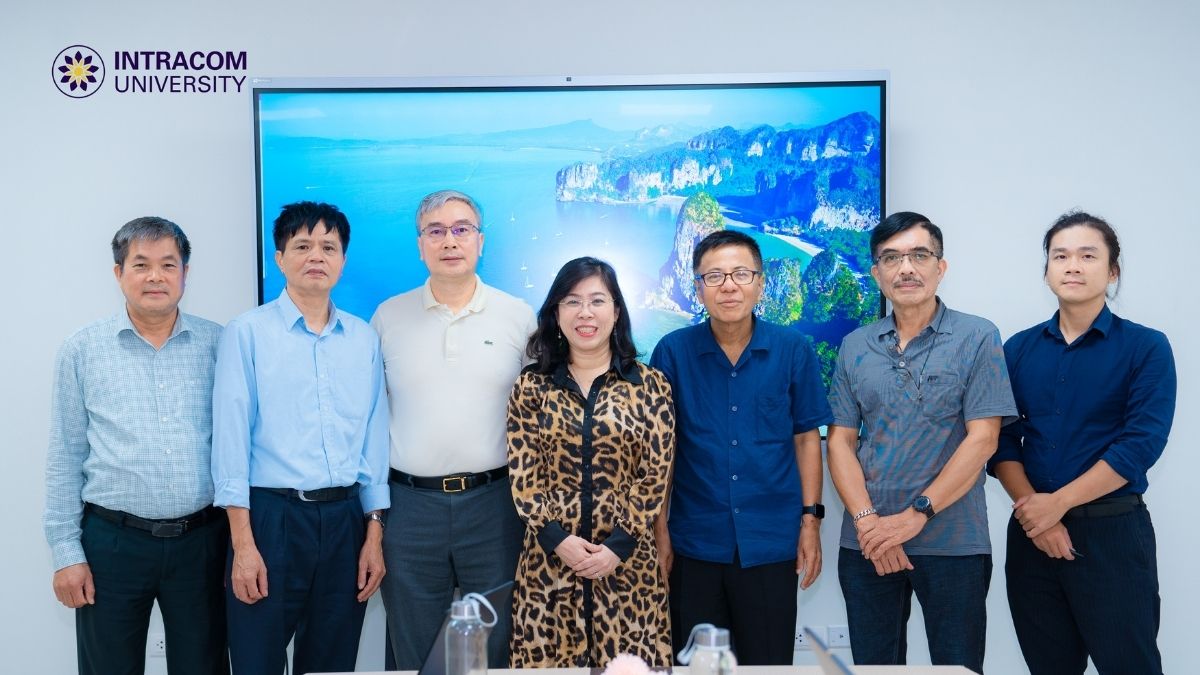
The review on August 4, 2026 is a step in the process of continuously updating and improving the quality of the training program of the Faculty of Architecture – Construction, Intracom University.
Based on the Faculty’s development process, proactively reviewing new standards contributes to orienting the program towards more modern technology, increased practice and experience, clearer output standards and closer to professional requirements.
Thereby, Intracom University aims to build a training environment where Architecture – Construction students not only have a professional foundation but also gradually develop creative thinking, practical capacity, the ability to apply technology and adapt to future industry changes.
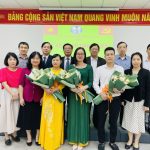
On December 12, 2023, the Party Committee of Chu Van An University solemnly organized the Party Admission Ceremony for 03 outstanding people who are officers and employees under Party Cell 1, including comrades: Hoang Nang Nam, Nguyen Thi Thanh Mai and Nguyen Bich Phuong.

Distance University is a form of online university training, allowing learners to access the curriculum without having to go to class in the traditional model. Instead of studying directly in the lecture hall, Intracom University students will study online through the University’s training platform system.

October 11, 2025, Workshop “Give wings to your dreams – Study abroad in China in 2026” organized by QTEDU coordinate with Intracom University (Formerly Chu Van An University) the organization took place successfully in a solemn and vibrant atmosphere in Hanoi.

In the journey of choosing the future, having access to accurate admission information and clear career orientation plays an extremely important role for senior students. In order to accompany students in this key stage, the Working Group of the Admissions and Student Affairs Department in collaboration with the Training and Voc…

In the training orientation associated with practice, Intracom University Continuously organize experiential activities to help students expand their knowledge, nurture civic thinking and a sense of social responsibility. One of those meaningful activities is the tour Vietnam National Assembly Building and Presidential Palace re…

On October 27, 2023, Center for Professional Training and Practice – Intracom University attended and spoke at the Scientific Conference “Promoting connection, dissemination and sustainability in Legal Practice Education in Vietnam” organized by National Economics University in collaboration with Foreign Trade University and BAP…
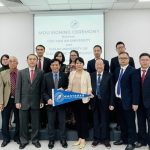
Guilin University of Electronic Technology (GUET) Established in 1960, GUET is a key public university in Guangxi (China). This is a multidisciplinary university, with outstanding strengths focusing on the fields of engineering, information technology and electronic technology, while expanding training to many fields of applied…